Nursing homes
Municipal nursing homes often operate with tight staffing, especially during evenings and night shifts. Staff must balance routine checks, fall risk, documentation, and responding quickly when residents leave their beds.
LYNG supports teams with contact-free monitoring of presence and movement in bed. It helps reduce unnecessary routine checks, improve awareness of bed-exit events, and prioritize attention, particularly when staffing is limited.


Rehabilitation centres
In rehabilitation centres, patients are encouraged to regain mobility — but increased activity also brings higher fall risk and the need for closer observation, especially in early recovery phases.
LYNG provides continuous monitoring of presence and movement in bed, helping staff stay informed about rest patterns and bed exits. This supports safer recovery while allowing clinicians to focus on therapy and progression rather than constant manual checks.
Home care services
Home care teams often work alone, traveling between patients with limited visibility into what happens between visits. For clients with reduced mobility or fall risk, this can create uncertainty for both caregivers and families.
LYNG offers contact-free monitoring in the home, supporting awareness of presence and movement in bed. It provides an added layer of oversight between visits, helping care teams respond more proactively while maintaining the client’s comfort and dignity.

Bed exit and movement
Unassisted bed exits and prolonged time out of bed can be a concern across municipal care settings — from long-term care to rehabilitation and home-based services.
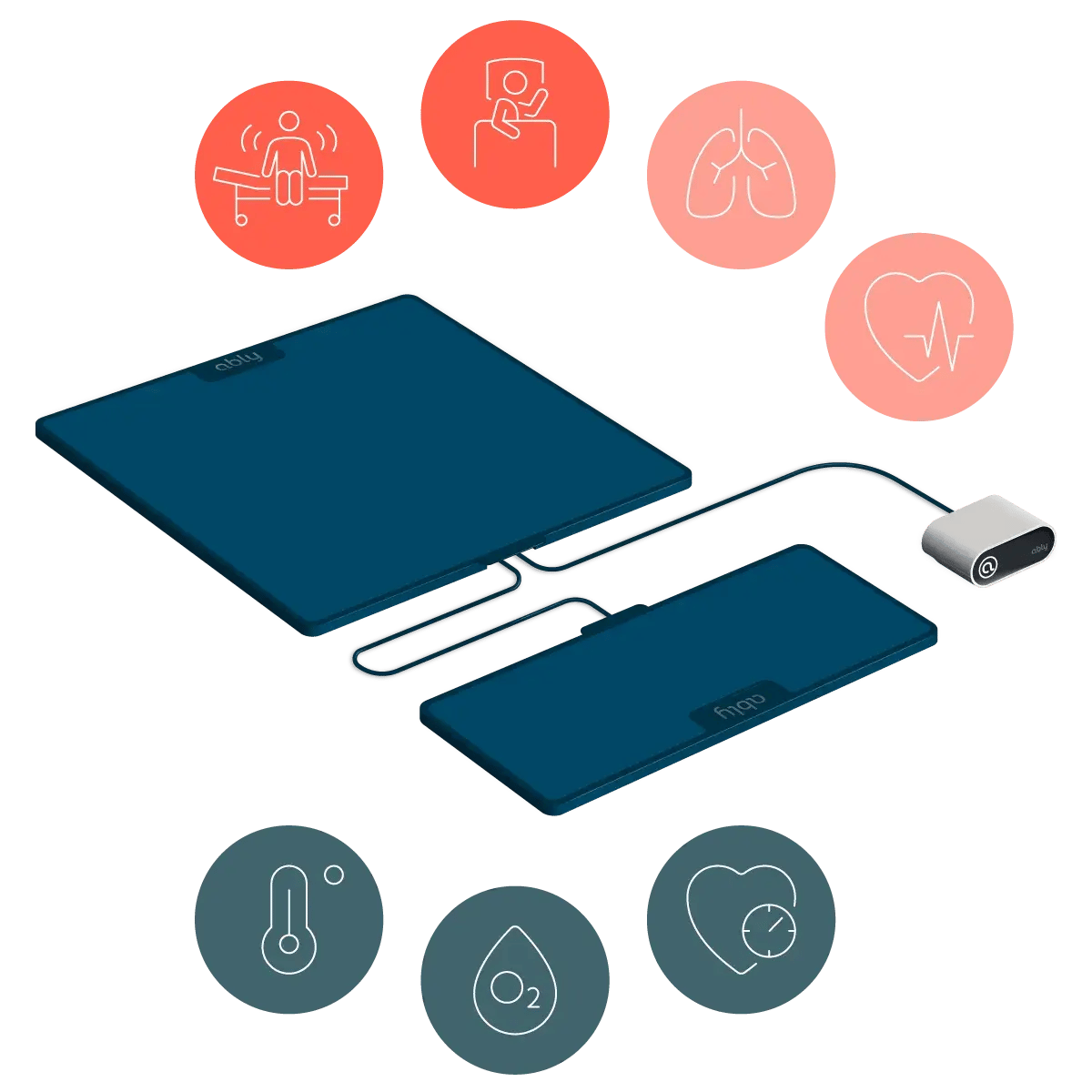
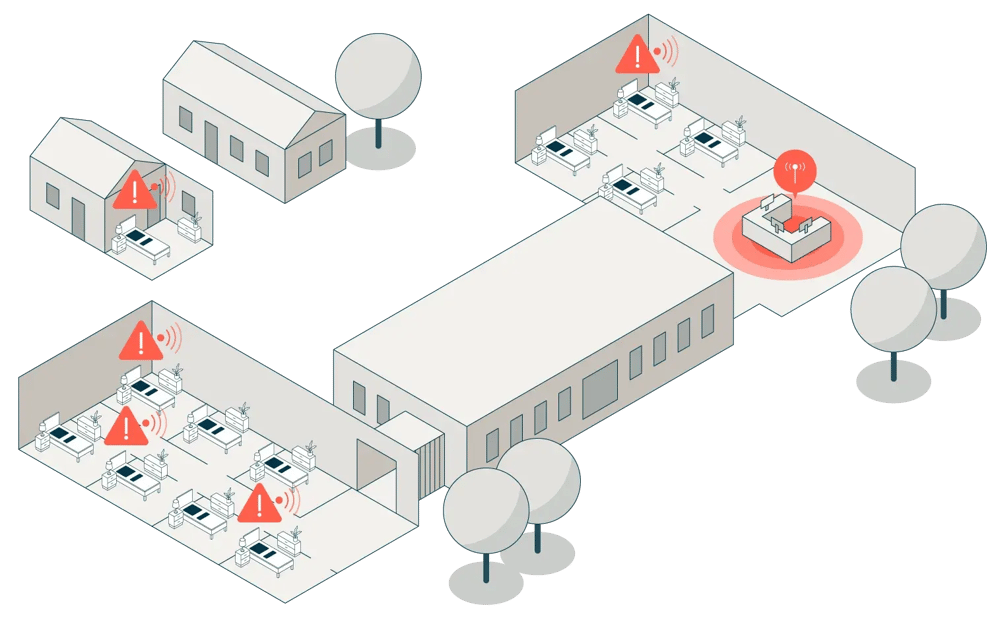
LYNG is placed under the mattress and monitors presence and in-bed movement. Configurable notifications alert care teams if a person leaves the bed or remains out of bed longer than expected, including at night.
This supports awareness without frequent routine checks, with settings adjustable to match individual care routines and reduce unnecessary alerts.
Indicative heart rate and respiration trends
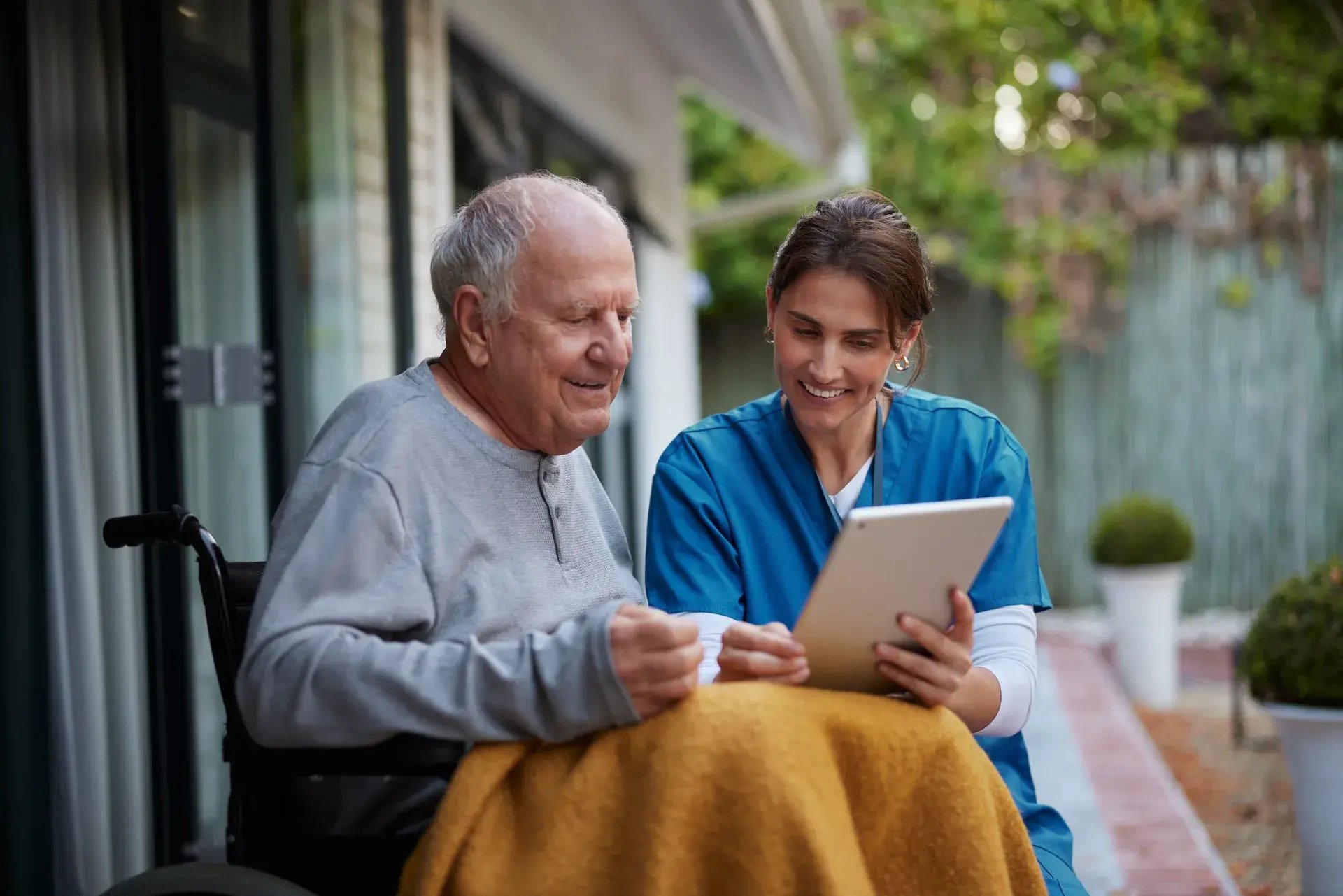
LYNG provides indicative measures of resting heart rate and respiration rate, displayed as trends and time-based averages. These measurements support situational awareness.
Trend views can help care teams observe changes in rest and activity patterns over time, including for individuals with limited ability to communicate changes themselves.
LYNG is currently a Class I device and not intended for diagnostic use.
Repositioning notifications
For individuals with limited mobility, LYNG monitors in-bed movement and position changes over time.
Notifications can support awareness of prolonged immobility and assist care teams in planning repositioning and routine care activities across different care environments.
What sets LYNG apart?

Residents' safety
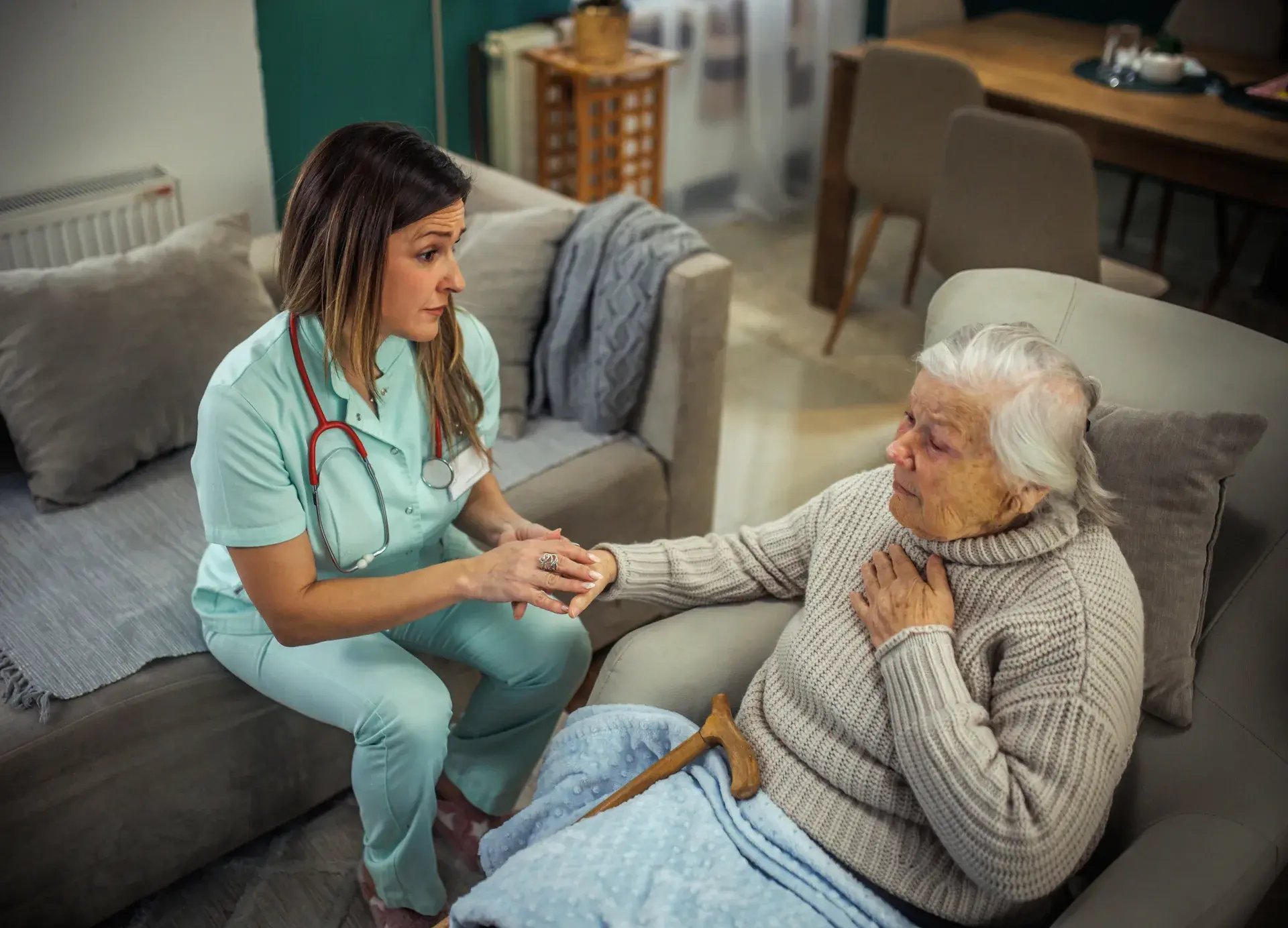
Continuous movement monitoring and indicative trends in resting heart rate and respiration rate support awareness of changes in activity and rest patterns.

Efficiency and capacity
By reducing frequent manual checks, the system supports consistent daily workflows using existing resources.

Staff well-being
Structured observation and reduced routine documentation help caretakers focus on residents while limiting physical and mental strain.

Cost reduction
A bed-based monitoring setup can help limit reliance on multiple devices and repeated manual observations.

Automated documentation
All data is recorded and can be automatically integrated into the central patient journal. This reduces the administrative burden on staff.

Configurable notifications
Notifications highlight changes in bed presence or activity and can be configured per resident to support awareness without unnecessary alerts.