Skip to content

Estimate potential time savings in daily care routines

Care teams spend a significant part of each shift on routine tasks such as vital signs checks and documentation. Time that could otherwise be spent with patients.

Unavngivet (1)

How much time goes into routine checks?

In many wards and care units, tasks like vital signs monitoring, documentation, and weight recording take up a substantial share of the workday.

Studies from hospital wards in Germany indicate that for a 10-bed unit, nursing staff spend approximately 31 hours and 35 minutes per week on vital sign acquisition, weight measurement, and related documentation.

That time is part of everyday care work — but it is time not spent on direct patient interaction.

With an estimated average nursing cost of €40 per hour, this corresponds to around €1,260 per week in staff time dedicated to routine monitoring tasks.

This calculator offers a hypothetical overview of how much time may be freed when routine observations are supported by continuous, contact-free monitoring.


Use the calculator to explore your scenario

Our calculator helps you explore what these numbers could look like in your own setting — based on your bed count and staffing structure. It is intended to support reflection and planning, not to predict exact outcomes.

Disclaimer:
The time-saving scenarios in this calculator are based on functionality planned as part of LYNG’s upcoming Class II medical device certification. Clinically validated heart rate and respiration rate measurements, and their use in routine clinical workflows, will be available following successful certification. Actual results may vary depending on clinical setting, workflows, and implementation.

👇 Explore the calculator to get a high-level overview for your facility

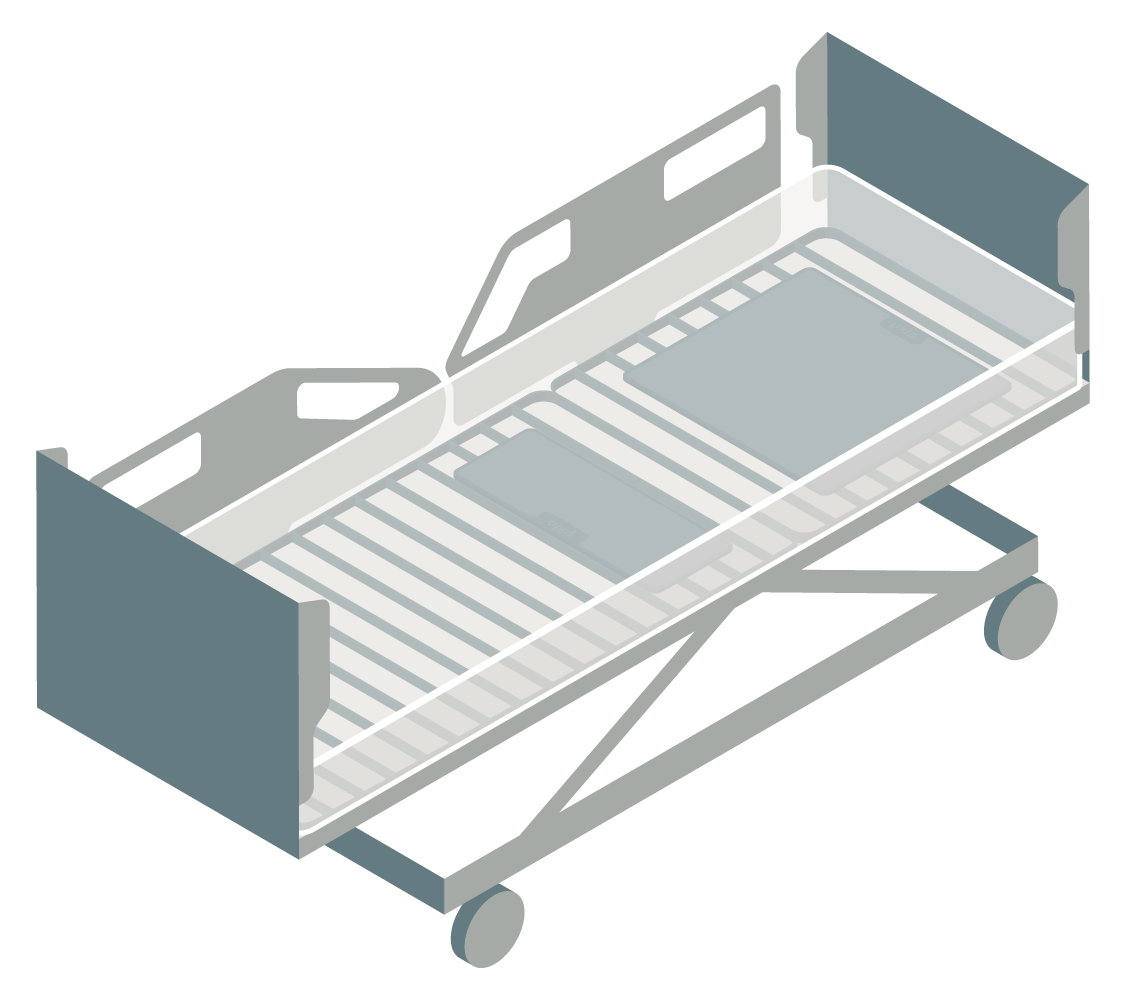
LYNG + bed

Calculate your potential time savings

Number of beds in your ward/hospital
10

Time saved on vitals acquisition

Shift
Day
Week

Time saved on weight recording

Day
Week

Time saved on weight recording (admission)

Week

Time saved on documenting mobility

Shift
Day
Week

Hours saved per week

The calculations are based on pilot projects from German hospitals and based on the following routines:

  • Typical vitals are recorded once per shift (2 shifts/day) - taking 8 minutes/patient
  • Weight is measured once per day - taking 4 minutes/patient
  • Weight is also measured upon admission - taking 5 minutes/patient
  • Mobility is documented once per shift - taking 3 minutes/patient

Tailor the value to your institution

Monthly value of redirected care time:

Annual value of enhanced nursing care:

Value Per Month

Note: The calculator defaults to an hourly nursing cost of 40€, which represents the approximate full cost to employers including base salary, social security contributions, and other benefits for registered nurses (Gesundheits- und Krankenpfleger/in) in the German healthcare sector. Adjust as needed based on your specific facility, state regulations (Bundesland), and nursing qualification levels.

Would you like your calculated results skipped to your inbox?

Hand us your name and email address and we will send them right away.

What others are saying

At Schrobenhausen Hospital in Germany, the nursing staff dedicates over 15 hours daily to gathering vital patient data, recording weights, and documenting mobility.

With a capacity of 34 beds, these are 15 hours that could be better spent on patient care instead of collecting vital parameters.

Shahram Tabrizi, Chief Physician of Acute Geriatrics

“Automating the tedious and frequent tasks would have a tremendous impact on the well-being of both staff and patients, as well as on the hospital’s finances and administration.”

Doctor at Schrobenhausen Hospital

Chief Physician, Acute Geriatrics Schrobenhausen Hospital

Contact Information

If you have any questions or anything else, feel free to reach out to me:

Email: christian@ablymed.com

Phone: +45 20 86 95 40

Best regards,

Christian Bennike
Partnerships & Relations

15950160-1