When the resident leaves the bed
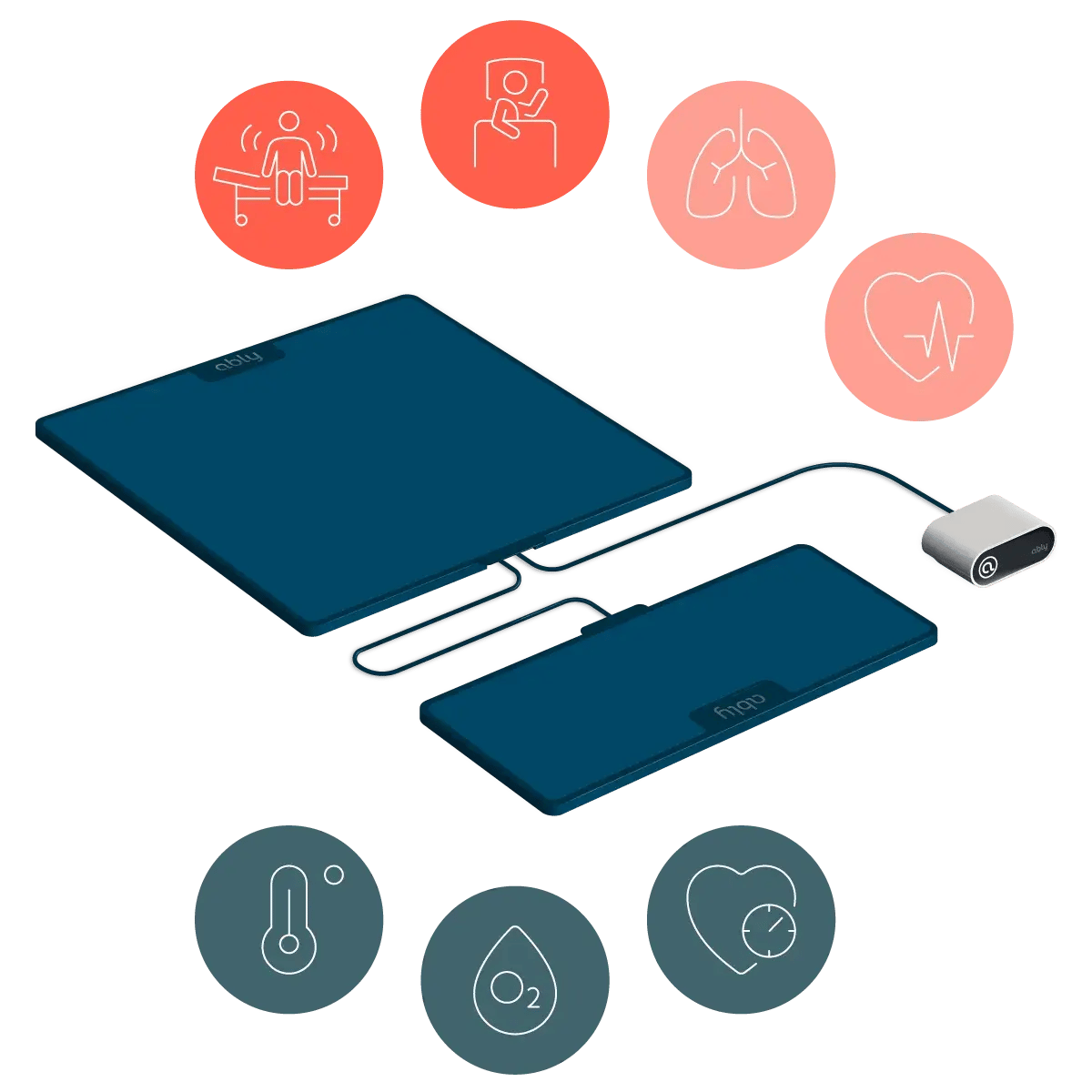
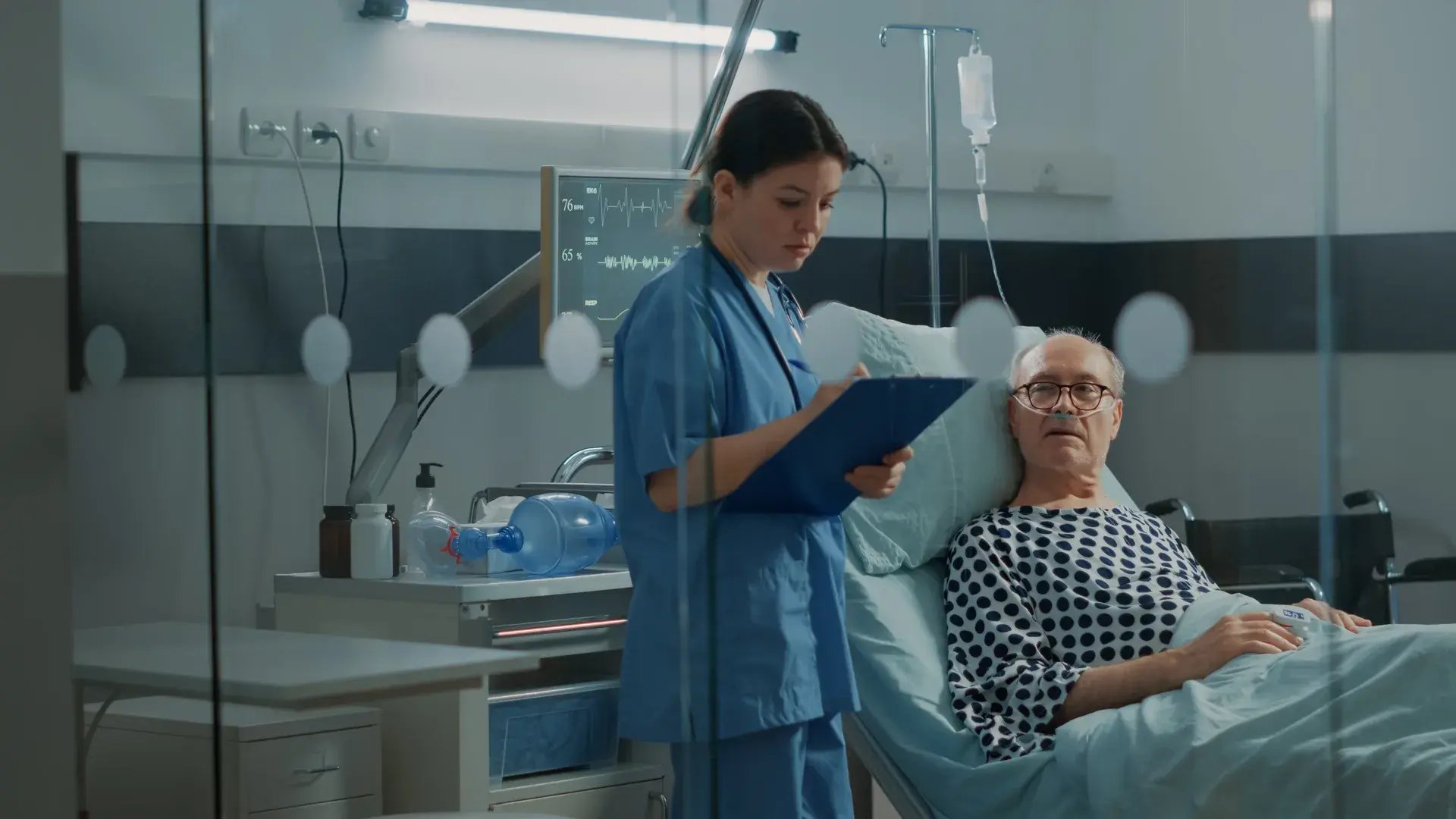
Unassisted bed exits and prolonged absence from bed are common challenges on wards with patients who have limited mobility. LYNG is placed under the mattress and monitors presence and movement in bed.
Notifications can be configured by ward staff to alert nurses when a patient leaves the bed or remains out of bed longer than expected, including during night shifts.
Continuous HR and RR monitoring
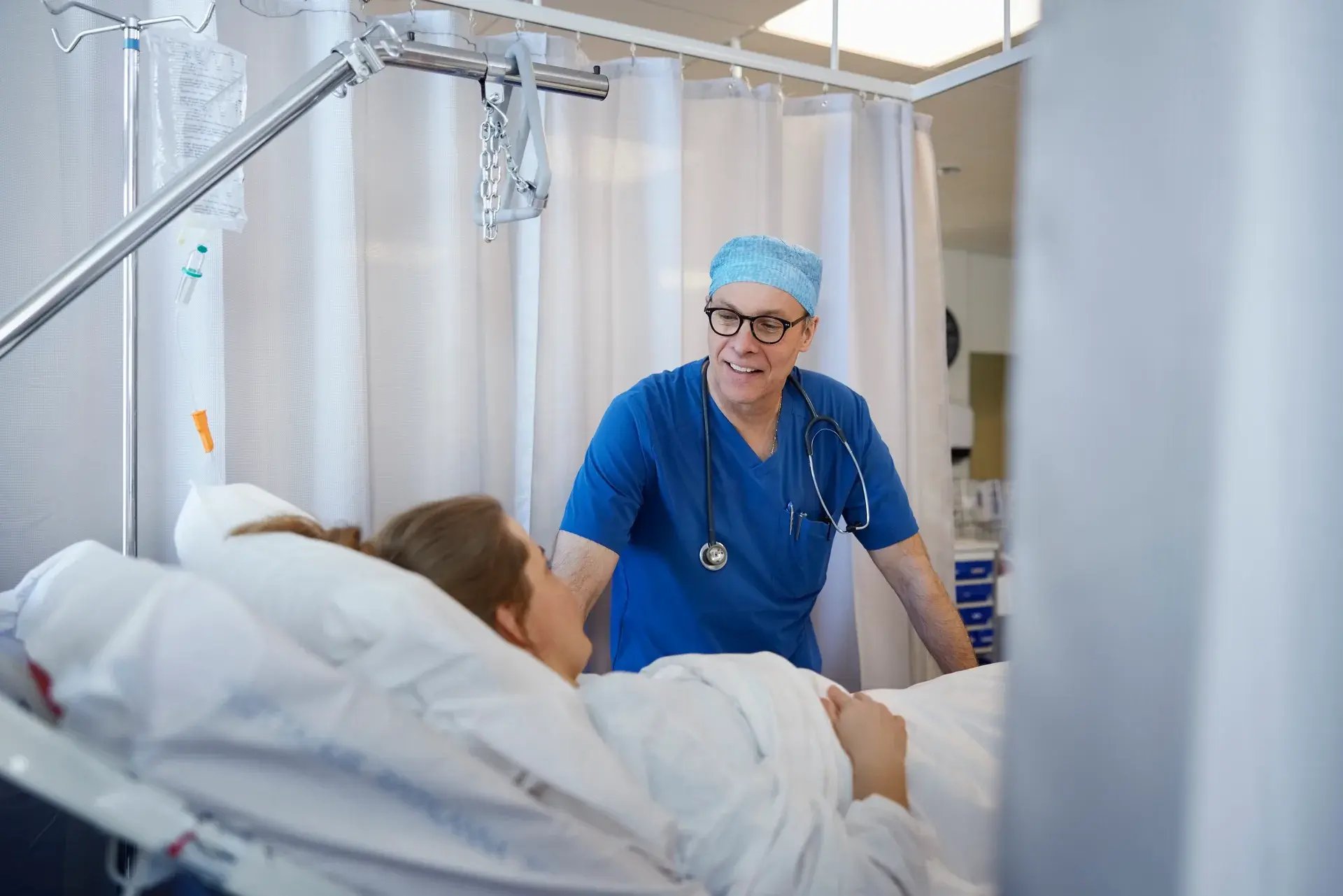
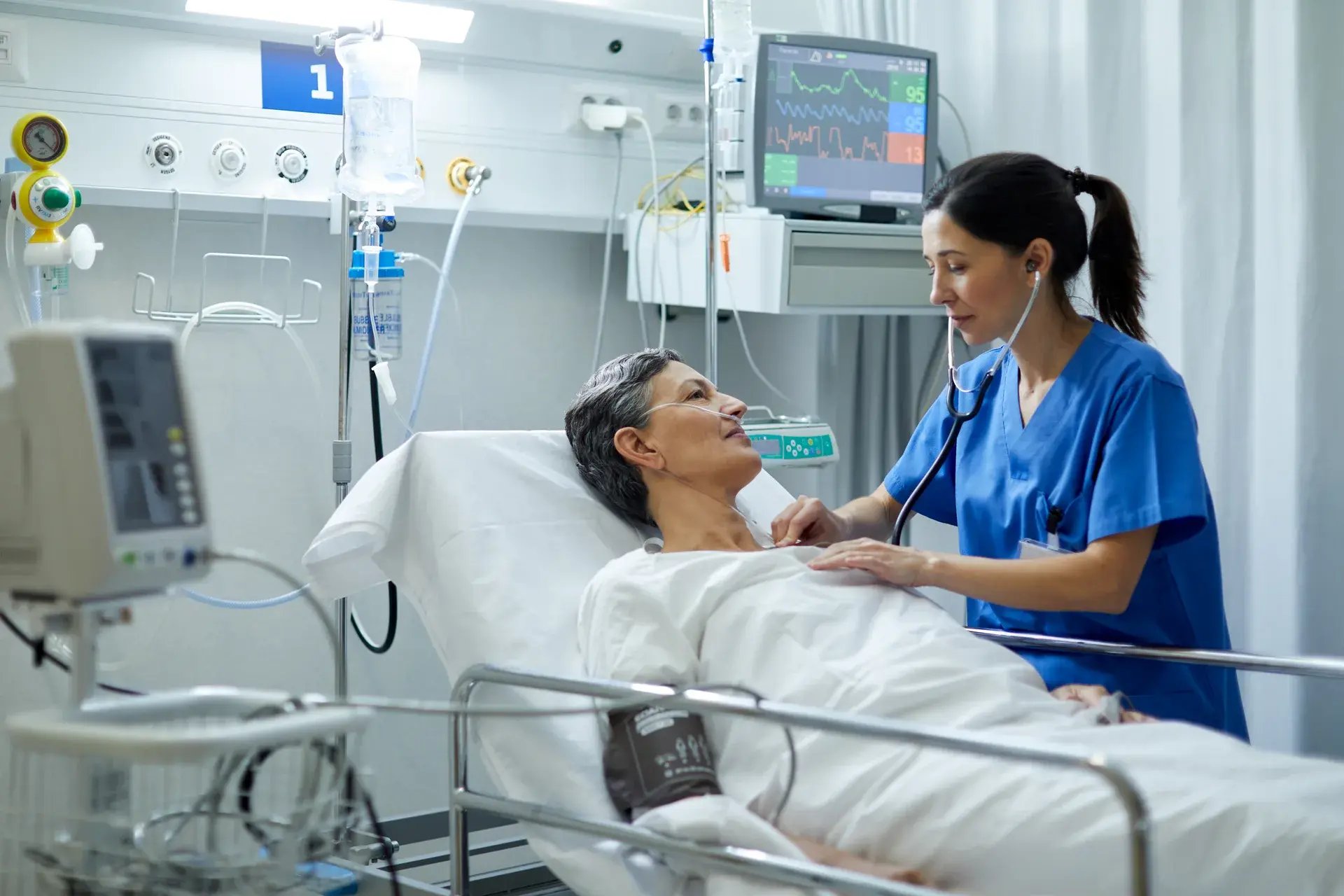
LYNG provides indicative measurements of resting heart rate and respiration rate, presented as trends and time-based averages. Combined with movement data and information from connected third-party medical and non-medical devices, these measurements support assessment of overall patient condition and early identification of changes that may require attention.
Trend views help clinical teams maintain continuity of care across shifts and support observation of patients with limited ability to communicate discomfort or deterioration.
*LYNG is actively progressing toward Class II medical device certification. As part of this transition, LYNG will be capable of providing validated heart rate and respiration rate measurements for clinical use.
Repositioning notifications
For patients with reduced mobility, LYNG monitors in-bed movement and position changes over time. Notifications can support awareness of prolonged immobility and help nurses plan repositioning and routine care activities.
The system supports observation and coordination within existing care protocols and does not replace established clinical practices.
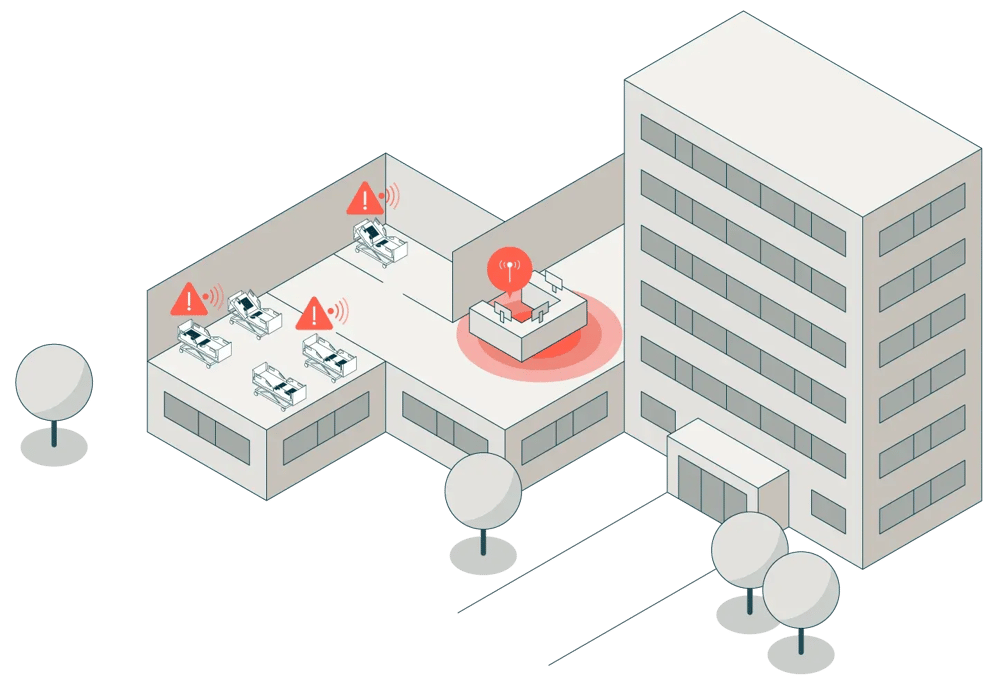
What sets LYNG apart?

All-in-one patient observation
By combining continuous movement registration
with indicative trends in HR and RR, LYNG
delivers a unified view of patient activity and
rest patterns from a single, bed-based system.

Patient safety
Continuous insight into movement, bed exits, and indicative HR and RR trends supports early
awareness of changes in patient activity and
rest patterns.

Workflow efficiency
Reduced reliance on manual checks and multiple devices supports consistent workflows across shifts and helps wards make better use of existing staffing resources.

Staff well-being
Structured observation and reduced routine documentation help nurses focus on direct patient care while limiting physical and cognitive strain, especially during night shifts.

Cost efficiency
A single, bed-based sensor solution reduces dependence on multiple bed sensors and repetitive manual observations.

Automated documentation
Movement data and indicative HR and RR trends are recorded continuously and can be transferred to hospital systems where supported, improving continuity across teams and shifts.
Configurable notifications
Notifications can be tailored per patient and ward routine, supporting awareness while minimizing alarm fatigue.
How much time goes into routine checks?
In many wards and care units, tasks like tracking of pulse and respiration trends, documentation, and weight recording take up a substantial share of the workday.
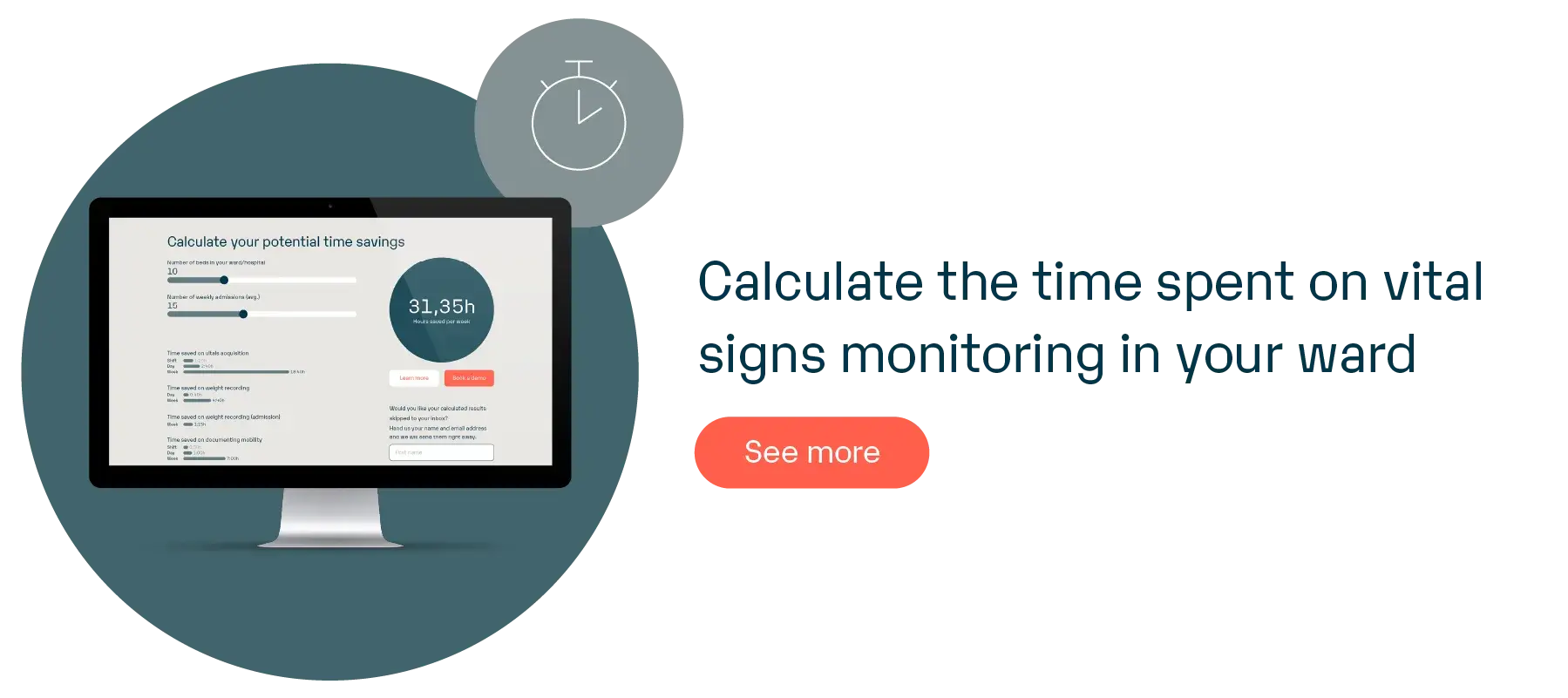
Studies from hospital wards in Germany indicate that for a 10-bed unit, nursing staff spend approximately 31 hours and 35 minutes per week on pulse and respiration acquisition, weight measurement, and related documentation.
That time is part of everyday care work — but it is time not spent on direct patient interaction.
With an estimated average nursing cost of €40 per hour, this corresponds to around €1,260 per week in staff time dedicated to routine monitoring tasks.
Use our calculator below to explore what these numbers could look like in your own setting — based on your bed count and staffing structure.