Where to meet us
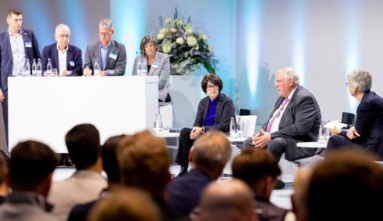
Connecting with frontline clinicians, innovators, and changemakers is our priority. Here’s where you’ll find us next! Whether you want to see our solutions in action or just exchange ideas, we’d love to meet you and work together to shape the future of healthcare.
HelseRomerike: Together to succeed
DMEA 2026
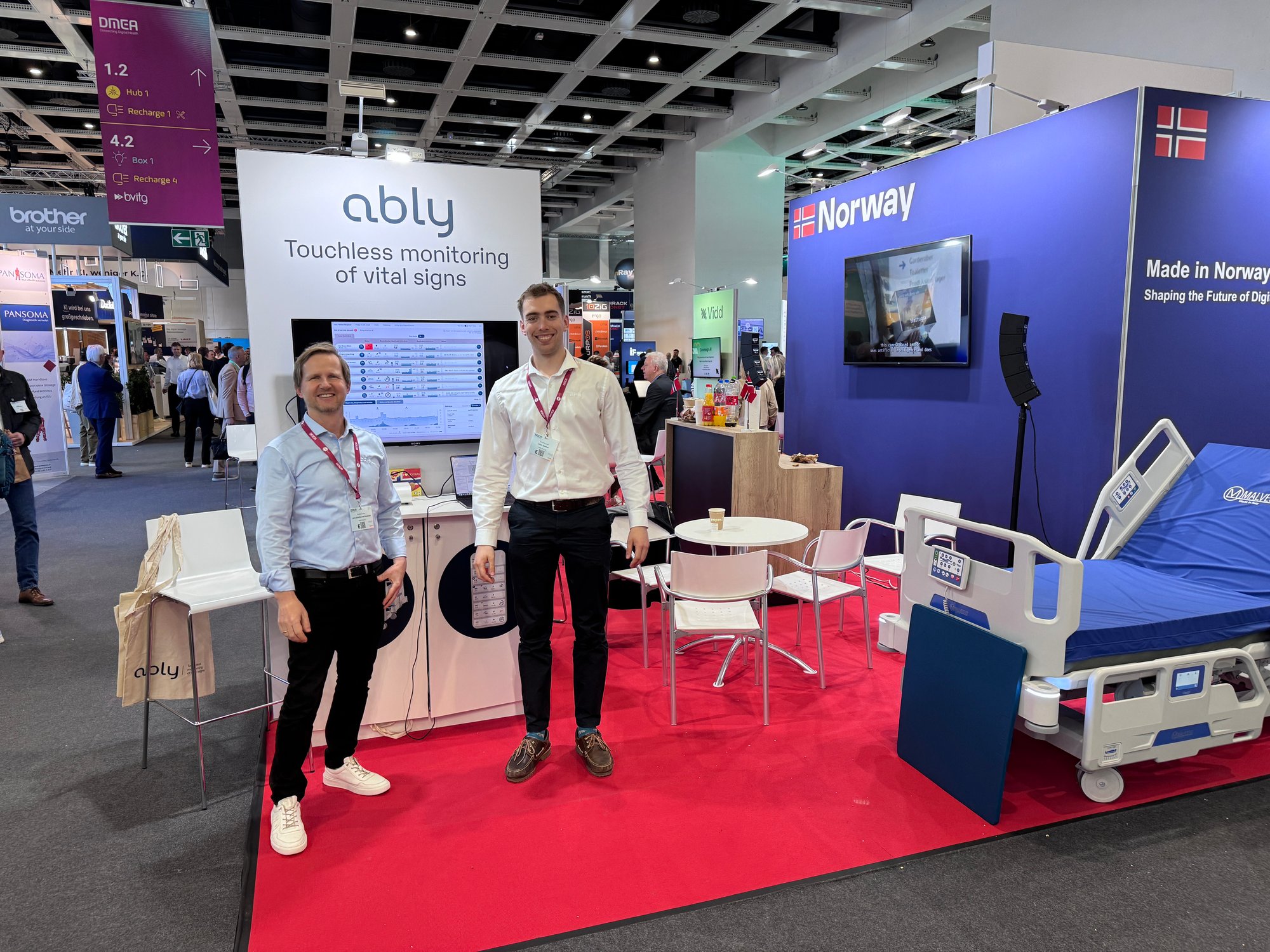
HIMSS Europe 2026
Health Tech Festival 2026
HLTH Europe in Amsterdam
Health Summit 2026
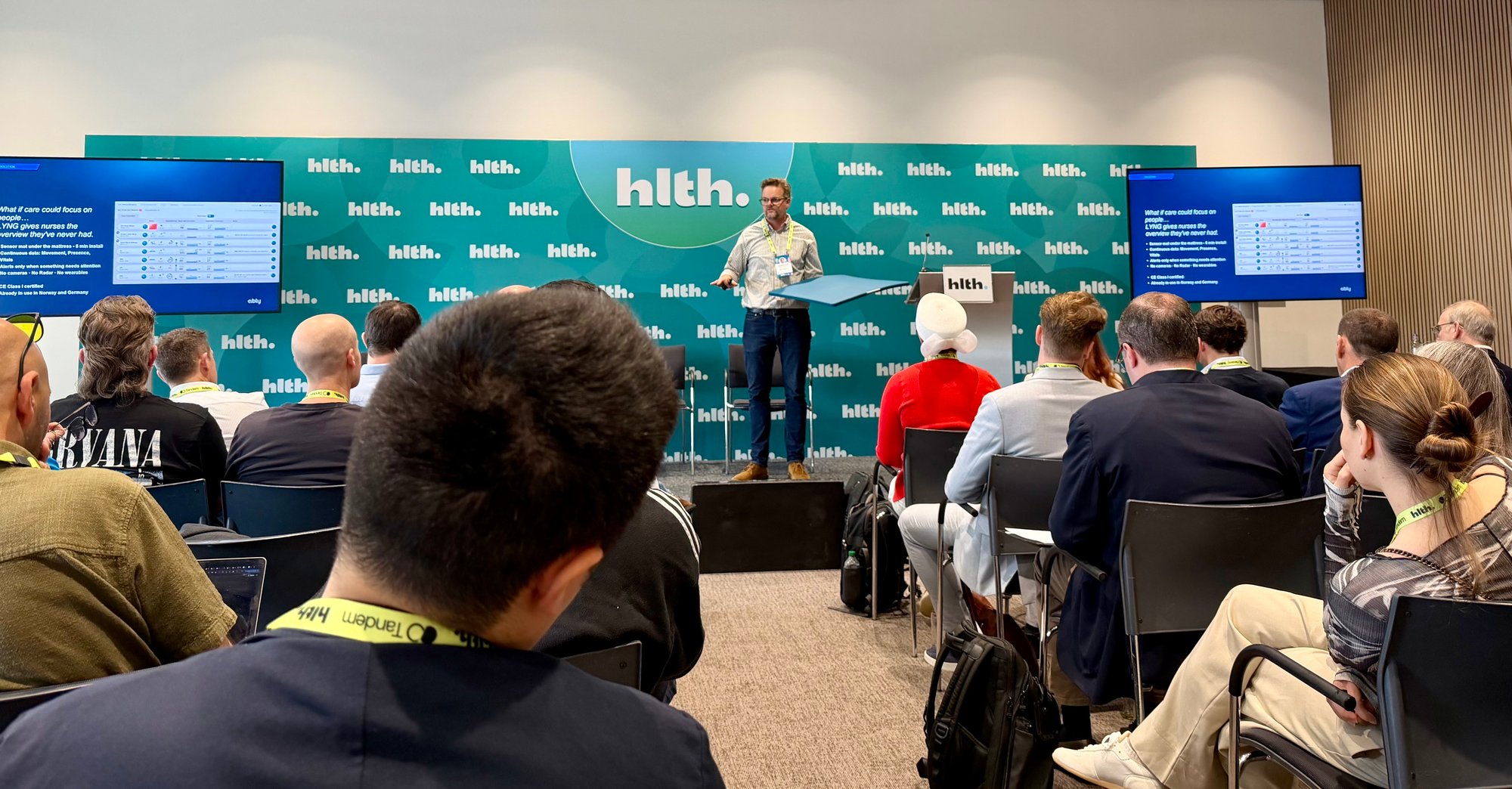
Wild Technologies 2026
-2.jpeg?width=2000&name=Image%20(2)-2.jpeg)
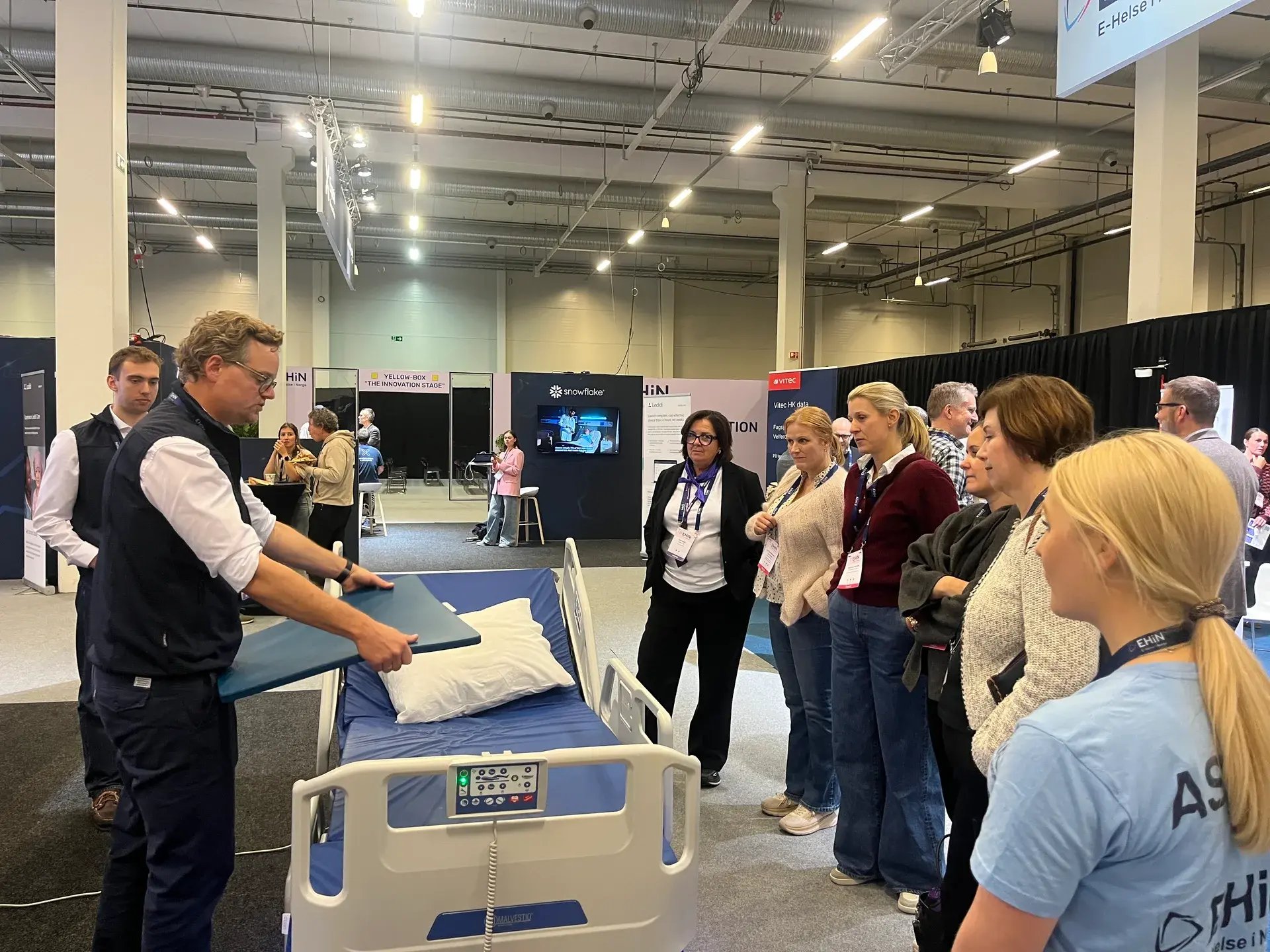
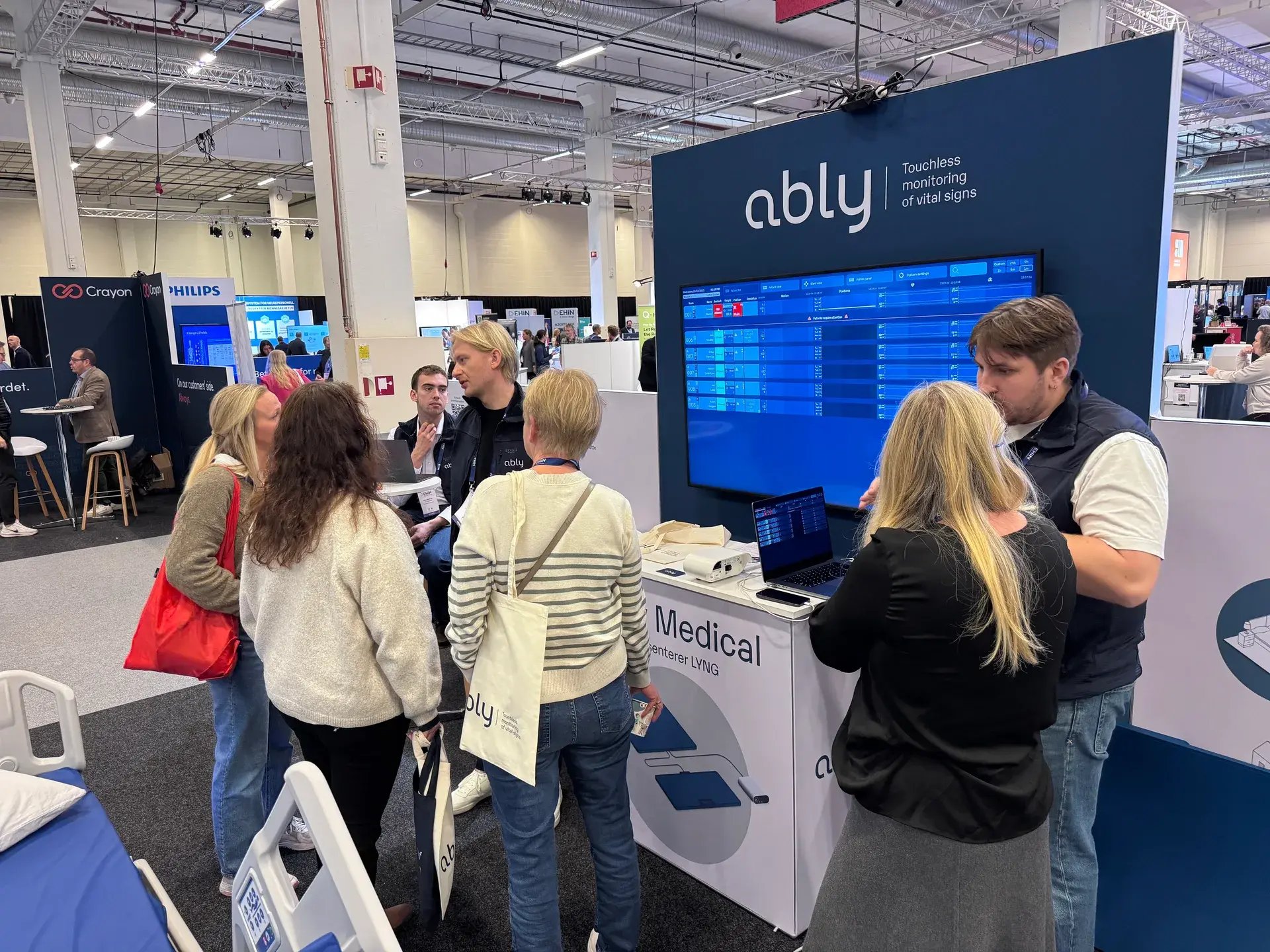
EHIN 2026
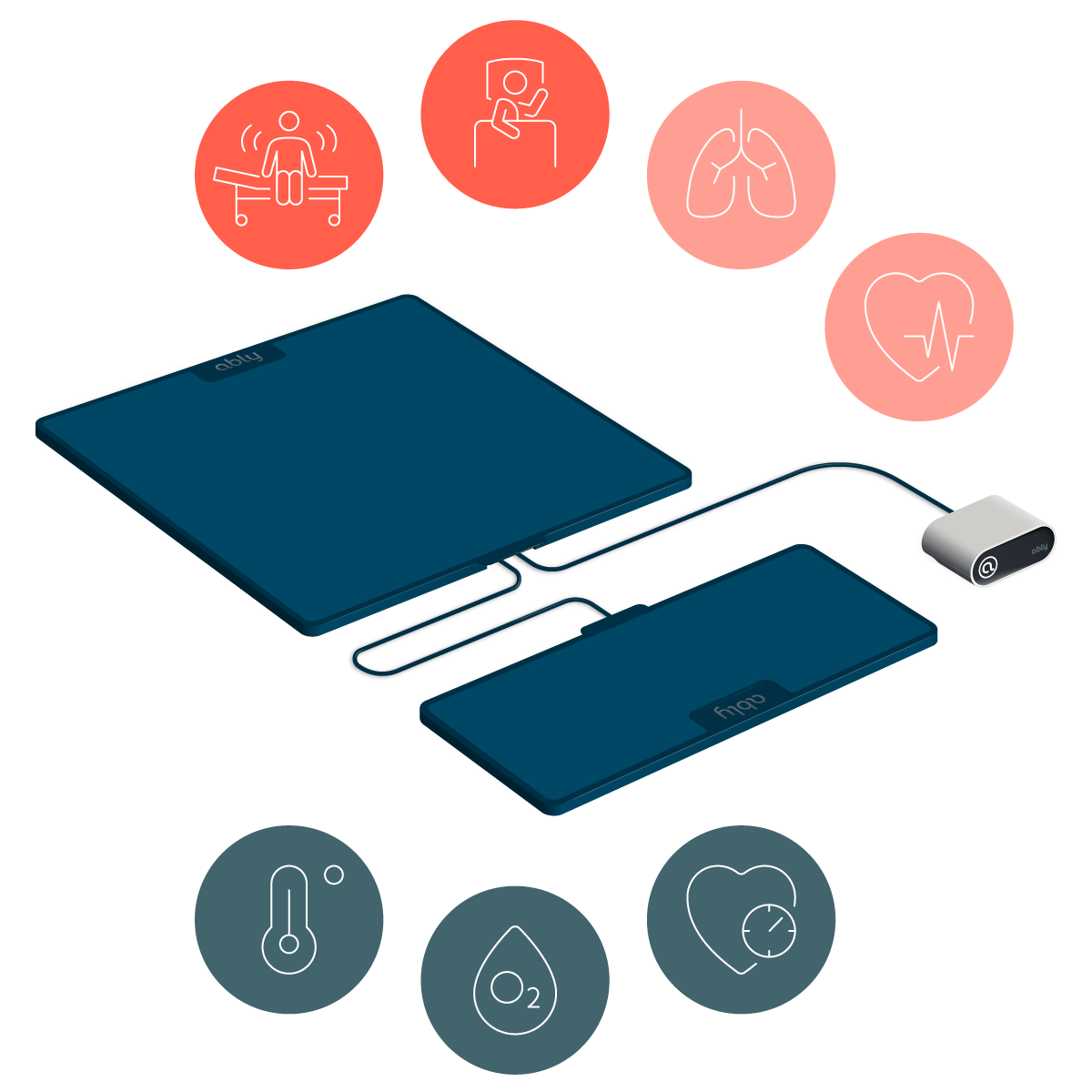
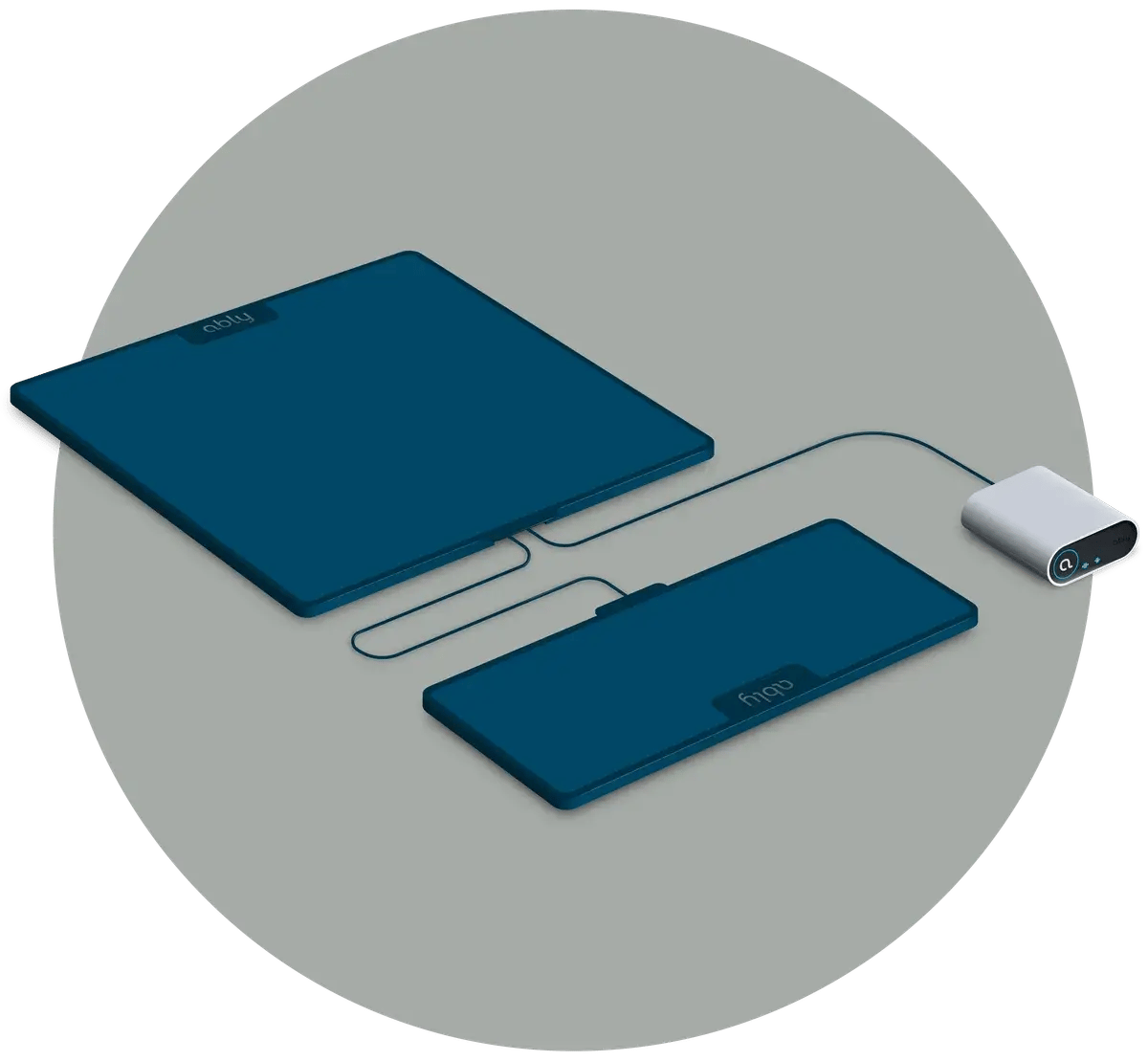
contactless bed sensor mat
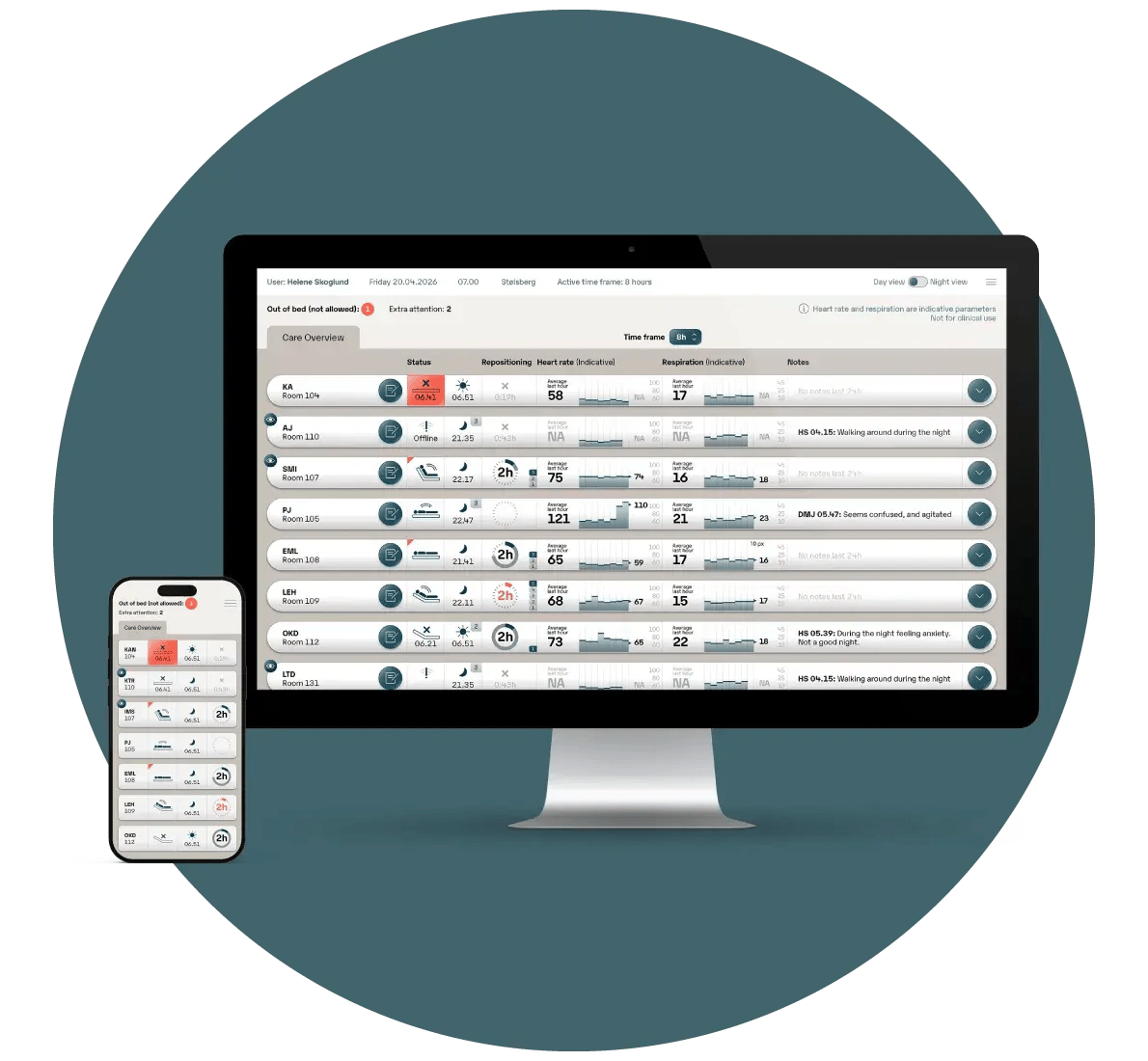
contactless bed sensor of movement and presence in bed. LYNG provides continuous observation without contact and offers indicative measures of resting heart rate and respiration rate to support situational awareness.
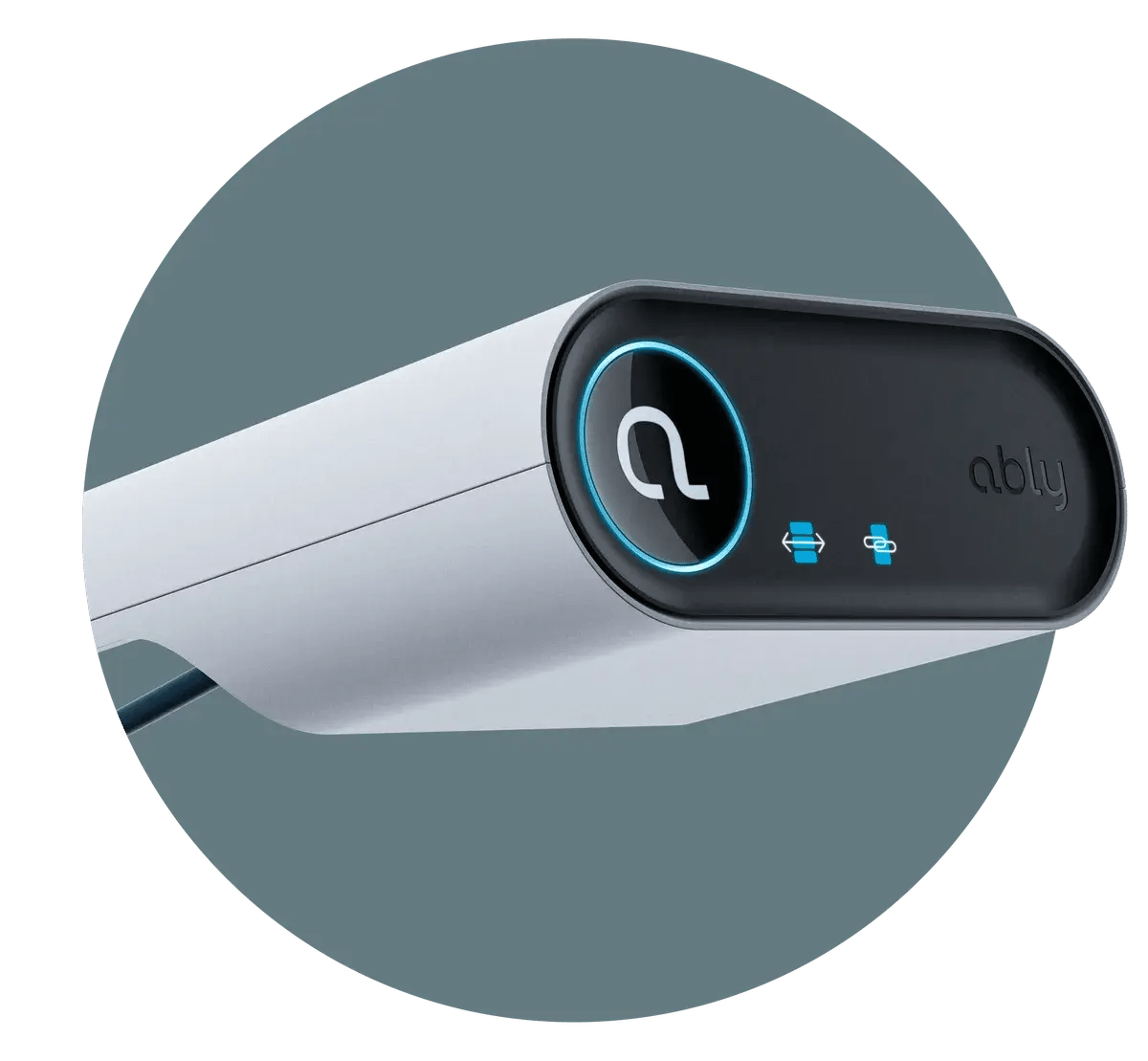
Connectivity hub
A connectivity hub designed for stable data transfer across care environments. The hub supports Wi-Fi and 5G and enables secure communication with LYNG devices and selected third-party sensors, medical and non-medical.
Oversight and documentation
LYNG supports structured oversight by reducing the need for frequent manual checks and routine documentation. This helps caretakers spend more time with residents while maintaining consistent observation.
Wearables selection
Support for selected third-party wearable devices. Connected wearables can be displayed within the platform where available.
Why does it matter?
Across Europe, demand for long-term care is growing rapidly. By 2030, some estimates suggest up to 6–8 million additional care workers may be needed in nursing homes and home care to keep pace with ageing populations.
Caretakers already shoulder heavy physical and mental workloads. Surveys across EU member states report that over 60 % of long-term care workers experience work-related musculoskeletal pain, and stress-related sick leave is consistently higher in care sectors than the European average.
When time and staffing are limited, preventable incidents rise. In nursing homes, observational data indicate that fall rates can exceed 1.5 incidents per resident per year, and pressure injuries remain a persistent challenge where direct observation is constrained. Tools that improve day-to-day awareness of resident activity and rest patterns can help caretakers stay informed and responsive, even under pressure.

Resident safety
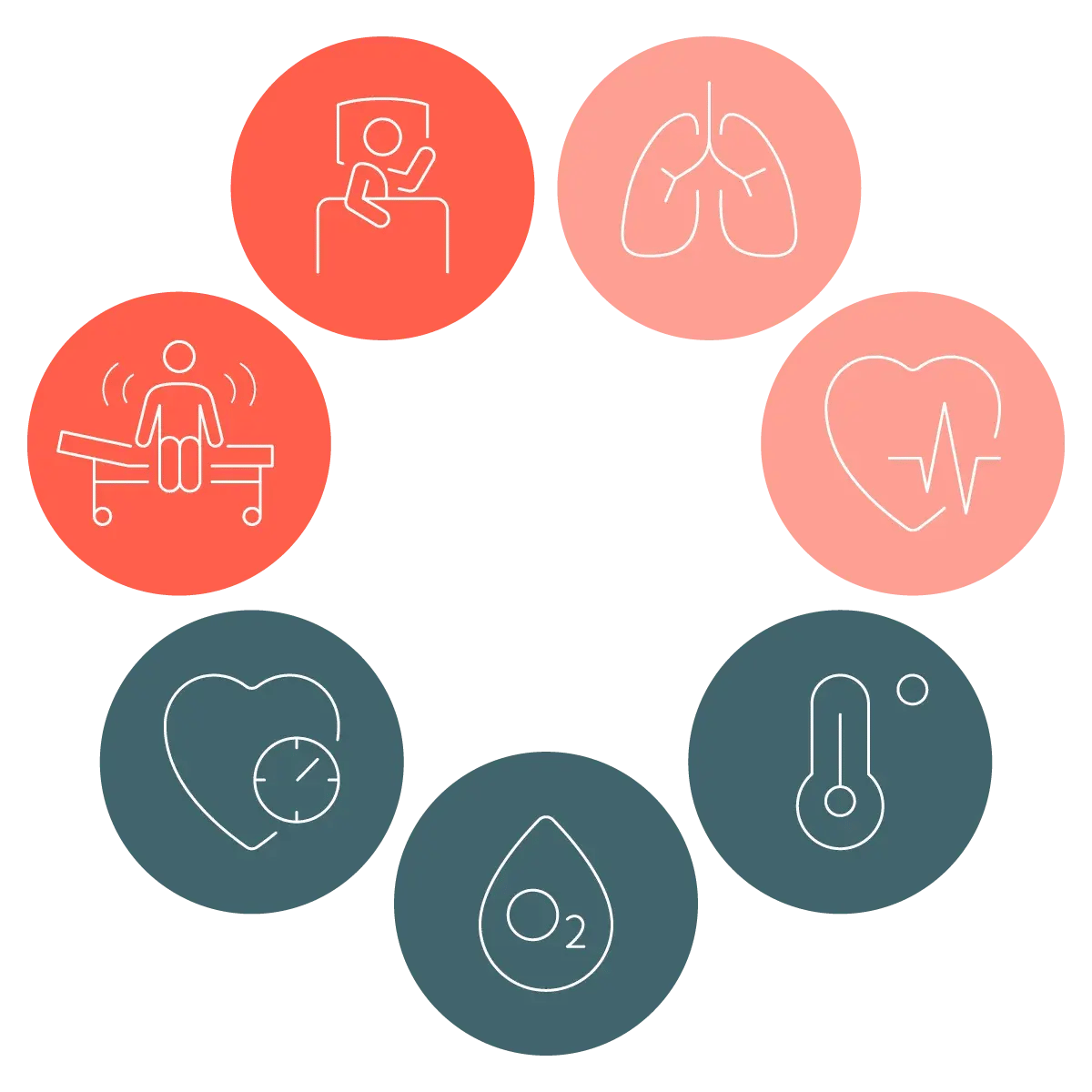
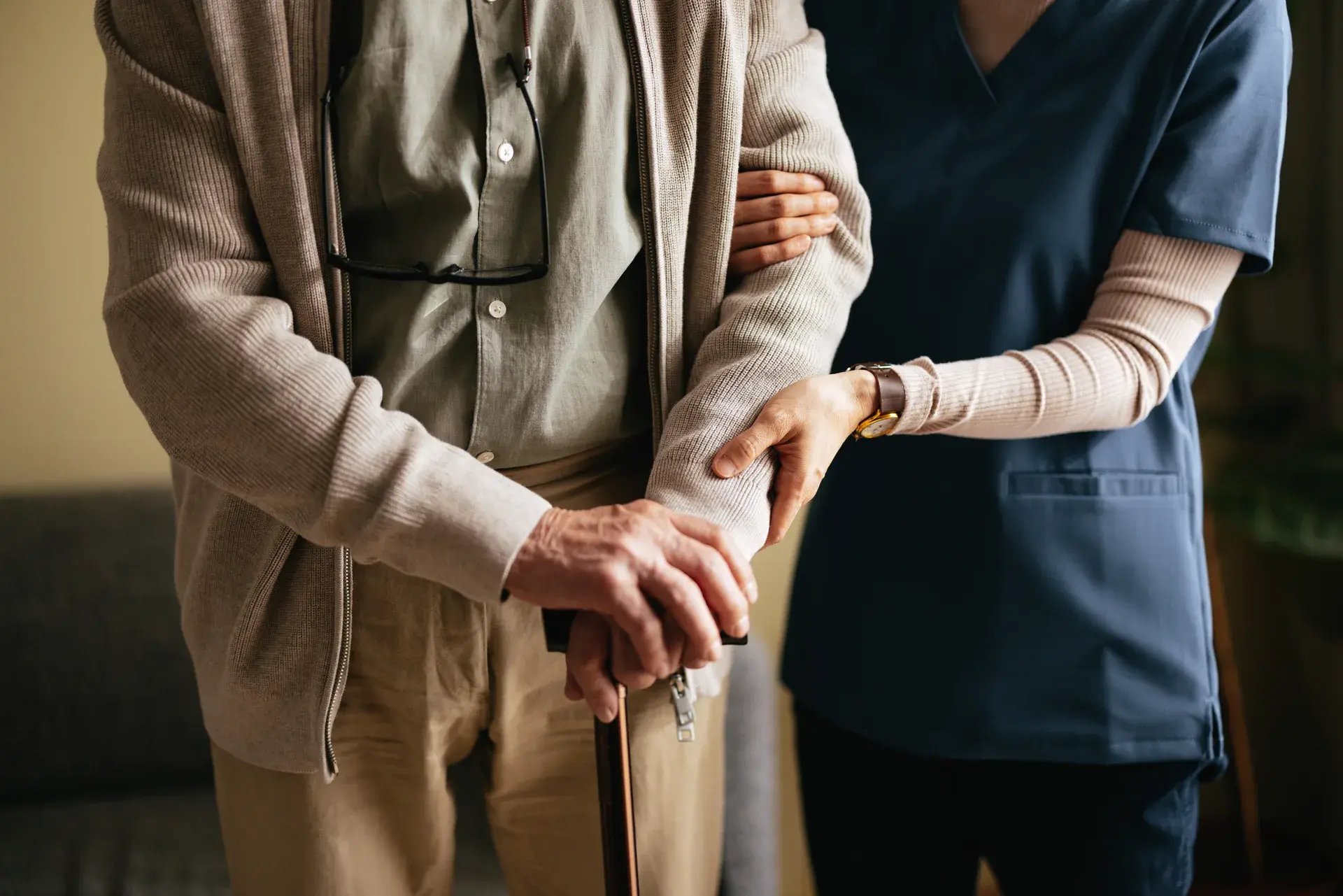
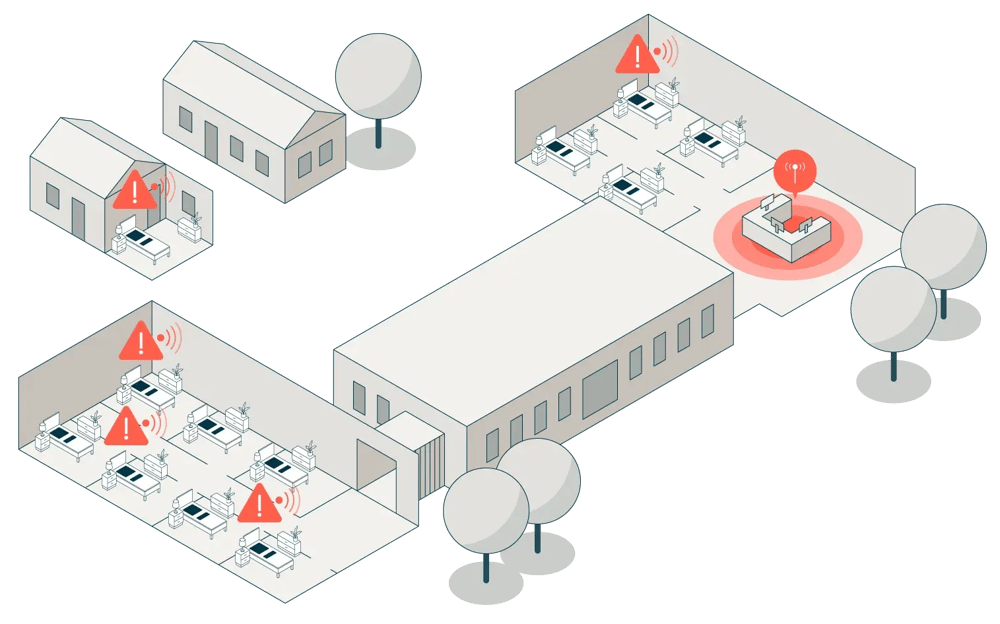
contactless movement registration supports awareness of residents’ presence and activity in bed. By providing notifications related to bed exit and changes in movement patterns, the system helps caretakers maintain consistent observation. Indicative measures of resting heart rate and respiration rate are available to support situational awareness and are not intended for diagnosis or treatment.

Caretaker workload
The system supports caretakers by reducing the need for frequent manual checks and routine documentation. Movement data and indicative trends are collected automatically and presented in a structured way, helping caretakers focus their time on direct interaction with residents rather than repeated data collection.

Operational overview
Collected data is presented in dashboards that provide an overview of bed occupancy and resident activity across care settings. This supports day-to-day planning and coordination by offering a clearer picture of current needs, without replacing clinical judgement or care routines.
Addressing key monitoring challenges in nursing homes
Efficiency and capacity
By reducing frequent manual checks, the system supports consistent daily workflows using existing resources.

Cost awareness
A bed-based sensor solution can help limit reliance on multiple devices and repeated manual observations.
Resident safety
Continuous movement registration and indicative trends in resting heart rate and respiration rate support awareness of changes in activity and rest patterns.

Care planning
Shared visibility of bed occupancy and resident activity supports coordination across teams and shifts.
New care models
Designed for use in nursing homes and home care, the platform fits existing care models and routines.

Staff well-being
Structured observation and reduced routine documentation help caretakers focus on residents while limiting physical and mental strain.



We listen to the needs of caregivers
We learn from frontline staff and experienced healthcare professionals. Throughout 2025, we visited nursing homes, hospital wards, and industry events — and we’re committed to continuing that work.
Tysvær/Aksdal Kommune Workshop
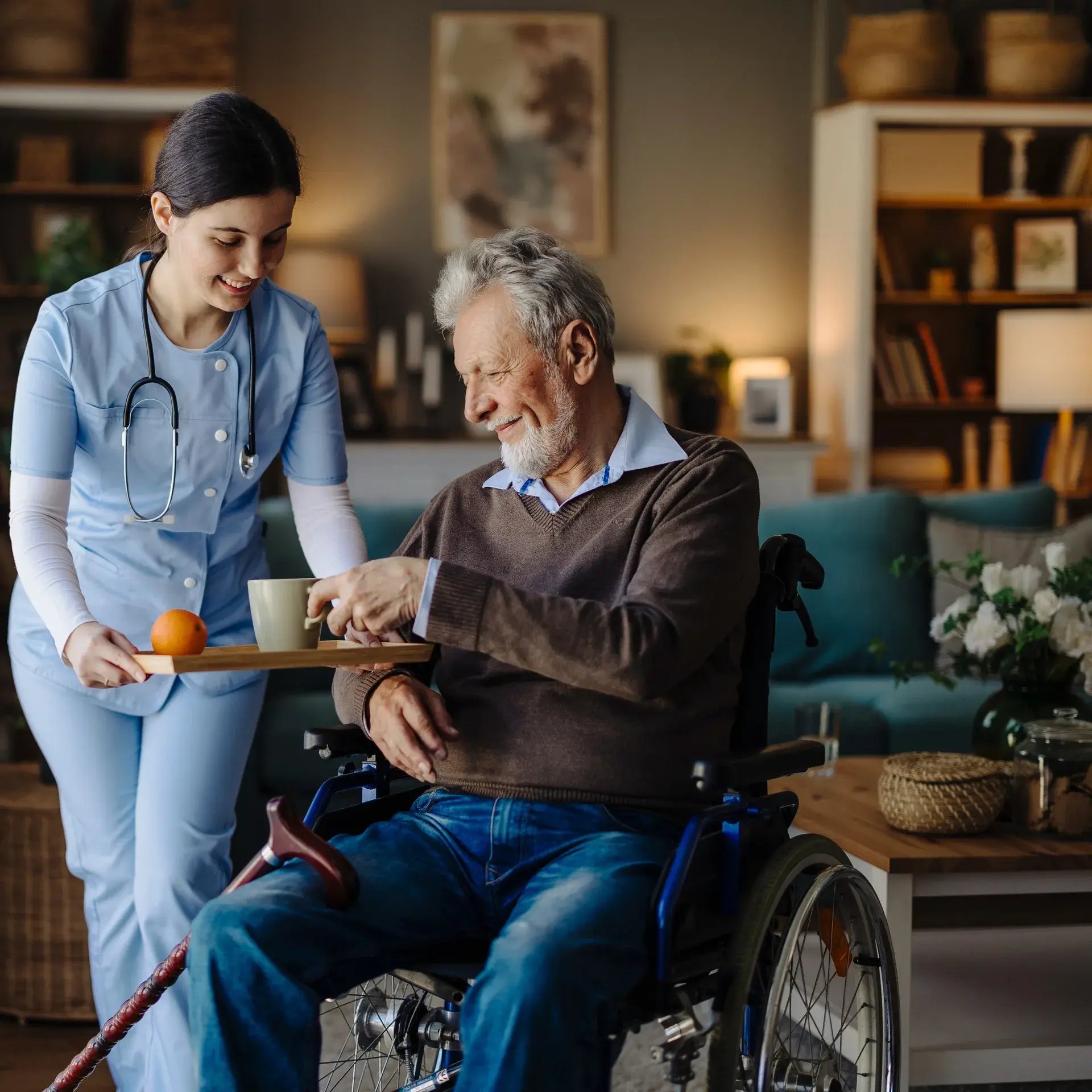
Private Healthcare Seminar

Norway Health Tech Conference
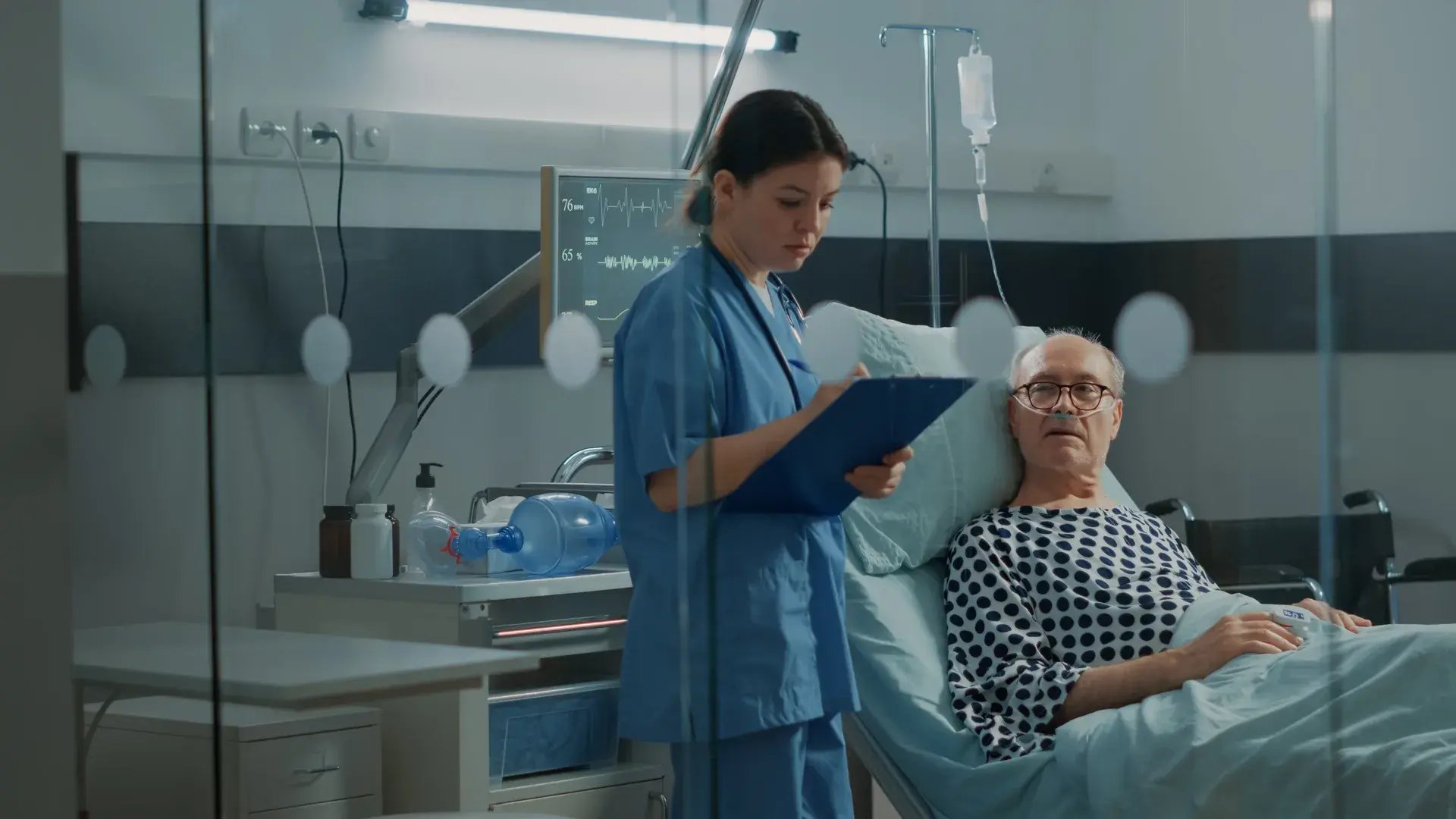
Public Healthcare Seminar

DMEA 2025
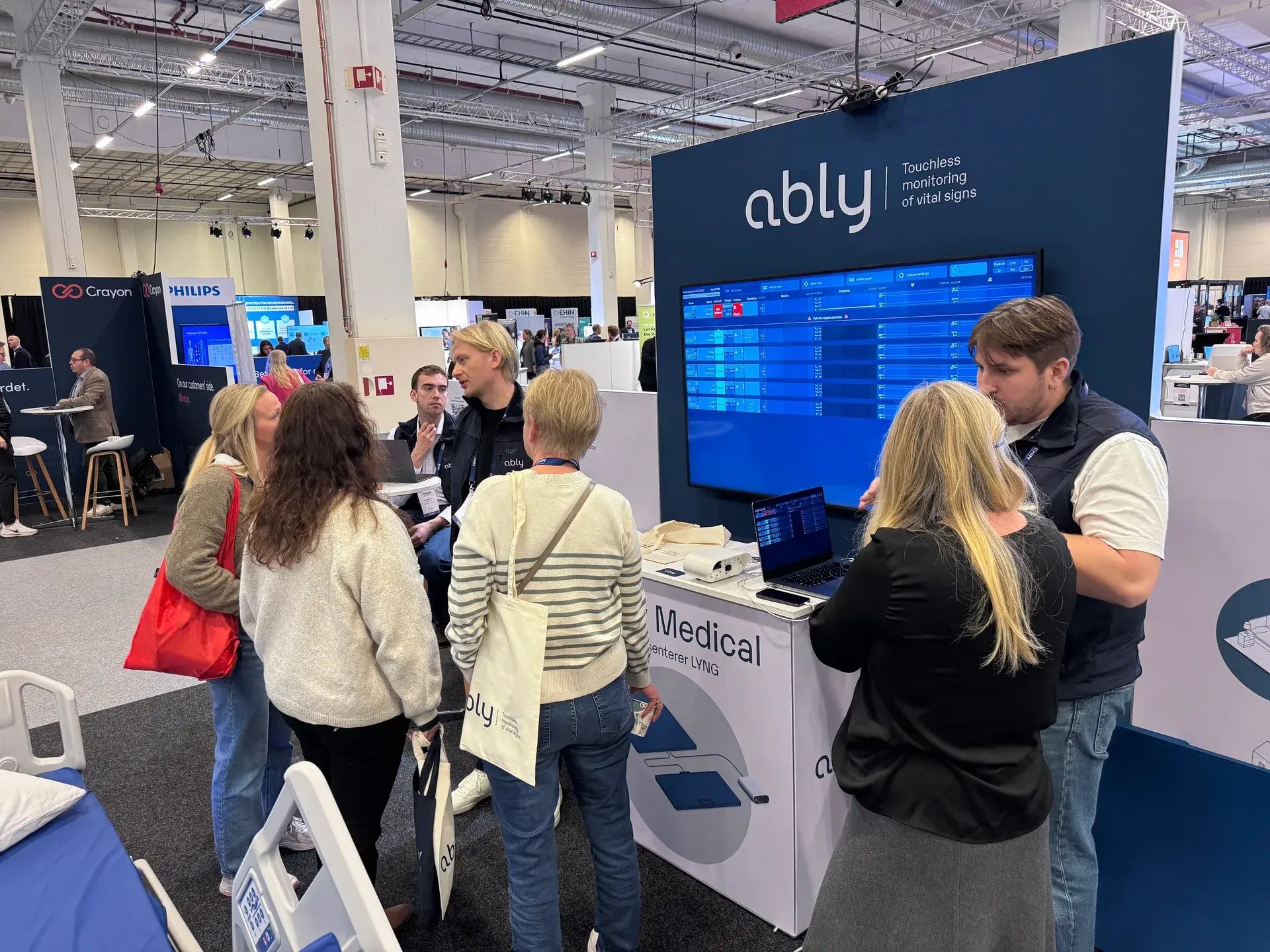
Amsterdam UMC Symposium
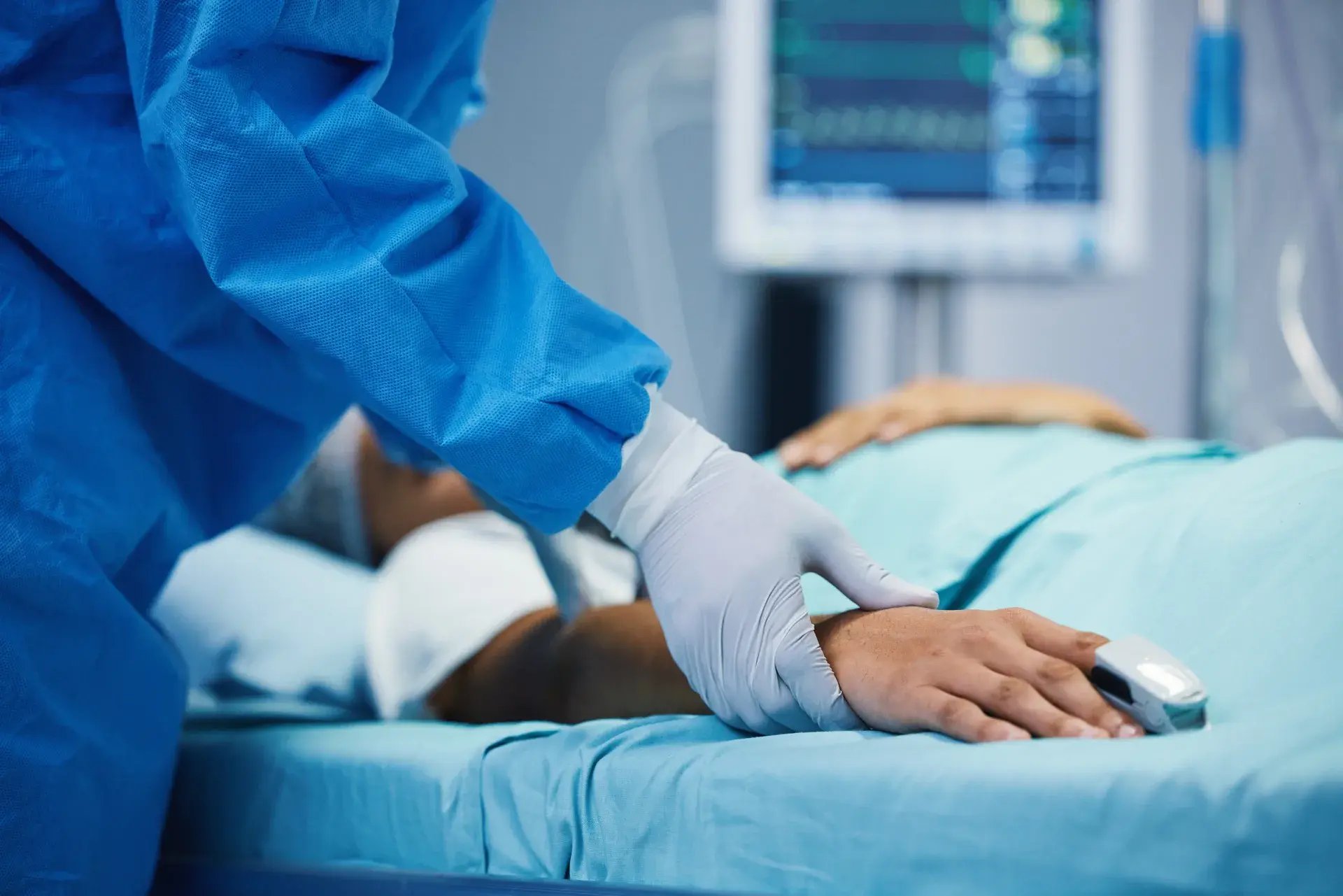
HLTH Europe in Amsterdam
Dialogue Conference: Patient-Centered Technology
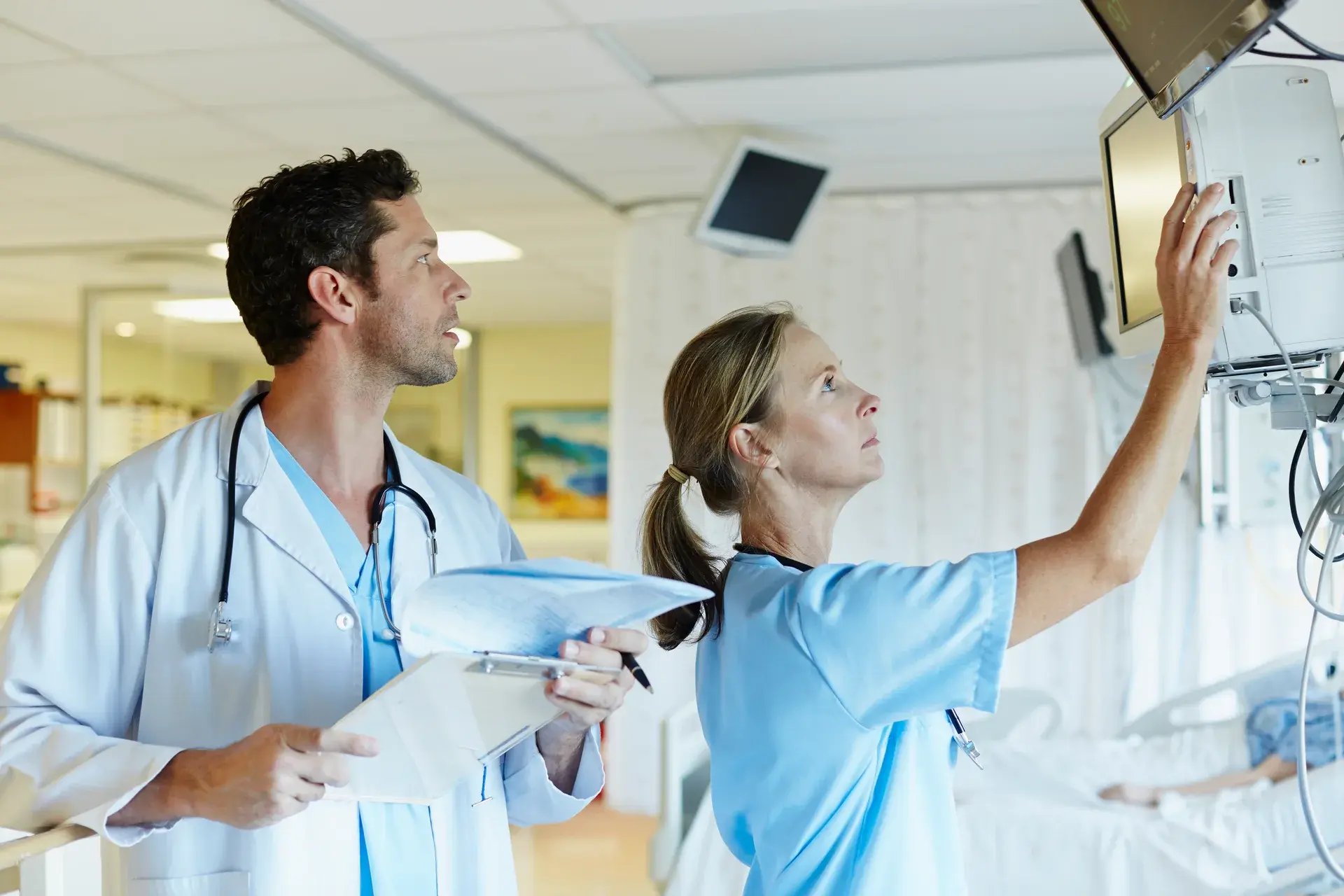
TECH BBQ in Copenhagen

Trade Mission Denmark
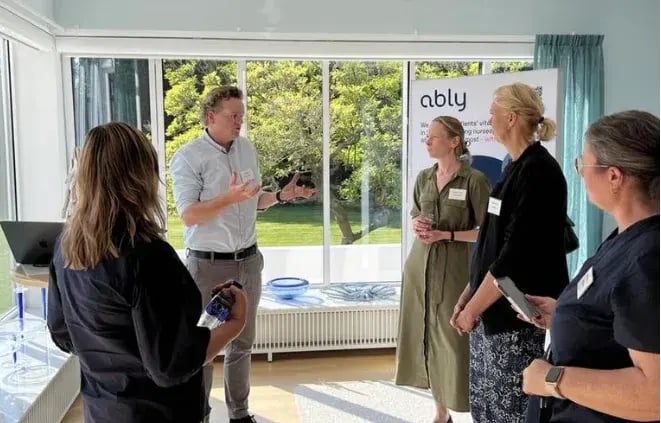
Future of Welfare Tech
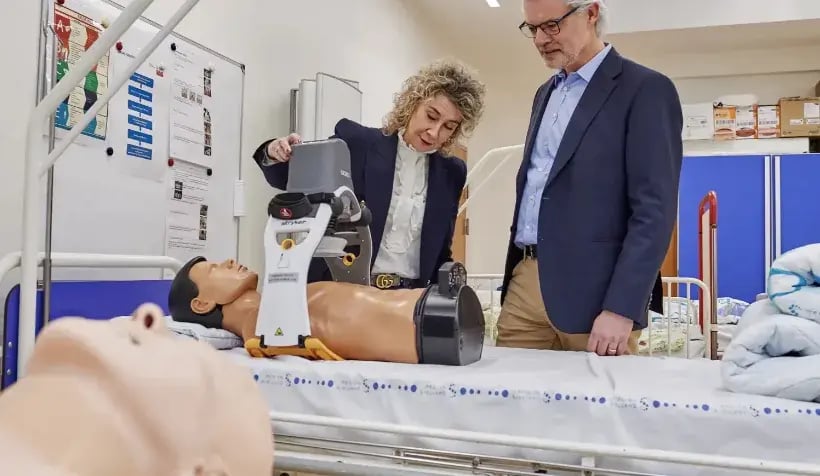
EHIN 2025
MEDICA 2025